Introduction
In the world of construction, innovation and efficiency are key. As architects, engineers, and builders search for sustainable and reliable solutions, steel framing system have emerged as a dominant choice in both residential and commercial building projects. With their superior strength, design flexibility, and environmental advantages, steel frames are reshaping how modern structures are built. From skyscrapers to family homes, steel framing systems deliver the durability and performance required for the demands of today’s construction industry.
What Is a Steel Framing System?
A steel framing system is a structural method that uses steel columns, beams, and studs to create the framework of a building. Unlike traditional wood framing, which relies on timber as its primary material, steel systems are made from galvanized steel that resists corrosion and provides exceptional load-bearing capacity.
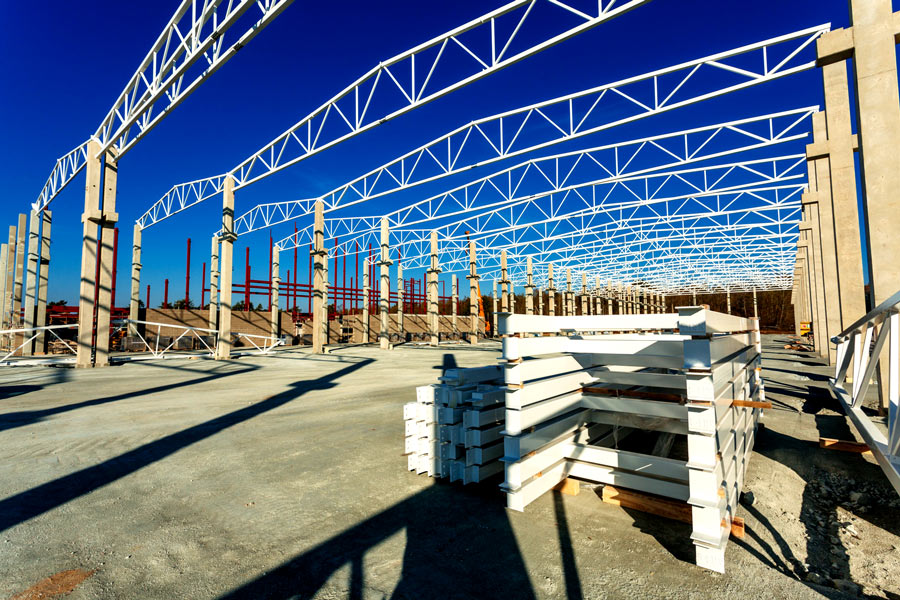
The framework forms the skeleton of a building, supporting walls, floors, and roofs. In essence, it’s the backbone that ensures the structure’s stability. Depending on the project, builders can choose between light-gauge steel framing (commonly used for smaller structures and homes) or structural steel framing (used for larger commercial and industrial buildings).
Steel framing systems have become popular across industries due to their versatility, cost-effectiveness over time, and ability to meet modern building codes with ease.
Advantages of Steel Framing Systems
1. Exceptional Strength and Durability
Steel has one of the highest strength-to-weight ratios of any construction material. This means that steel frames can support greater loads without requiring bulky support elements. Buildings framed in steel resist deformation, sagging, and warping—issues commonly seen in timber-based systems.
In regions prone to natural disasters such as hurricanes, earthquakes, or heavy snow, steel framing offers enhanced structural resilience. Its flexibility and tensile strength allow buildings to absorb shock and stress more effectively, minimizing damage.
2. Resistance to Pests, Fire, and Rot
Unlike wood, steel is impervious to termites, carpenter ants, and other pests that can compromise the integrity of a structure. It also doesn’t absorb moisture, so it will not rot, mold, or warp over time. Furthermore, steel is non-combustible, which adds a layer of fire resistance that increases safety and can even lower insurance costs.
3. Design Flexibility
Architects appreciate steel framing systems for their ability to accommodate complex designs and large open spaces. Steel can span long distances without requiring internal load-bearing walls, allowing for open floor plans that are both functional and aesthetically appealing.
For commercial developments such as office buildings, shopping centers, and warehouses, this design flexibility translates into more usable interior space. In residential projects, it allows for innovative layouts that traditional framing methods simply can’t achieve.
4. Sustainability and Environmental Benefits
Sustainability is a growing priority in construction, and steel framing systems align perfectly with green building practices. Steel is 100% recyclable, meaning that old materials can be melted down and reused without losing their strength or quality.
Additionally, many steel products used in construction contain recycled content, reducing the environmental footprint of new projects. Steel frames also contribute to energy efficiency, especially when combined with proper insulation and reflective coatings that help regulate indoor temperatures.
5. Precision and Efficiency in Construction
Steel framing components are manufactured in controlled factory environments using advanced computer-aided design (CAD) systems. This level of precision minimizes human error, ensures consistent quality, and reduces waste on-site.
Pre-fabricated steel components can be delivered to the construction site ready to assemble, which accelerates project timelines. Faster construction means lower labor costs, fewer delays, and earlier project completion—significant advantages for developers and investors alike.
6. Long-Term Cost Savings
While steel framing may have a slightly higher initial cost compared to wood, the long-term savings are substantial. Reduced maintenance, superior durability, and longer lifespan make steel-framed buildings more economical over time. When factoring in insurance savings, fewer repairs, and increased property value, the overall return on investment becomes clear.
Applications of Steel Framing Systems
Steel framing systems are used across a wide spectrum of building types, from residential homes to large-scale industrial facilities.
Residential Construction
In modern housing developments, light-gauge steel framing is increasingly replacing wood. Homeowners appreciate steel’s durability and the precision of factory-produced components. Homes built with steel frames have straighter walls, tighter joints, and improved resistance to environmental damage.
Steel homes are also ideal for regions facing wildfires or termites, where traditional wood framing would be at risk.
Commercial and Industrial Buildings
From high-rise towers to warehouses, structural steel framing remains the preferred method for large-scale construction. Its load-bearing capacity and adaptability allow builders to achieve impressive heights and wide spans while maintaining safety and stability.
Steel’s modular design also makes it easier to expand or modify commercial buildings in the future, providing long-term adaptability for business growth.
Educational and Healthcare Facilities
Schools, hospitals, and government buildings frequently utilize steel framing systems because of their strength, safety, and sustainability. The ability to meet rigorous fire and seismic standards makes steel framing an excellent choice for structures that serve the public.
Challenges and Considerations
While steel framing systems offer numerous benefits, there are some factors to consider:
- Thermal Conductivity: Steel conducts heat, so proper insulation and thermal breaks are necessary to maintain energy efficiency.
- Corrosion Protection: Although modern steel is galvanized or coated, buildings in coastal or humid environments require additional protection to prevent rust.
- Upfront Costs: The initial investment can be higher than wood framing, but as noted earlier, the long-term savings often outweigh the early expenses.
These challenges are manageable with proper design, planning, and maintenance, which is why steel continues to gain popularity among forward-thinking builders.
The Future of Construction with Steel
As construction technology continues to evolve, steel framing systems are set to play an even greater role in shaping modern architecture. With advances in automation, 3D modeling, and prefabrication, building with steel has become faster, cleaner, and more sustainable than ever before.
New hybrid systems are also emerging—combining steel with concrete, wood, or advanced composites—to optimize strength, energy efficiency, and cost-effectiveness. These innovations position steel framing as a cornerstone of the future construction landscape.
Furthermore, as global demand for sustainable housing and infrastructure grows, steel’s recyclability and durability make it a material that aligns with the principles of circular economy and green design. Builders who embrace steel framing today are not just investing in stronger structures—they’re building toward a more sustainable tomorrow.
Conclusion
The construction industry is constantly evolving, and steel framing systems represent one of its most significant advancements. With unmatched strength, flexibility, and sustainability, steel provides builders and homeowners with a reliable foundation for the future.
Whether it’s a sleek commercial building, a family home, or an expansive industrial complex, steel framing delivers the performance and longevity that modern life demands. As more architects and developers embrace this technology, the skyline of the future will continue to be shaped—strongly and beautifully—by the power of steel.