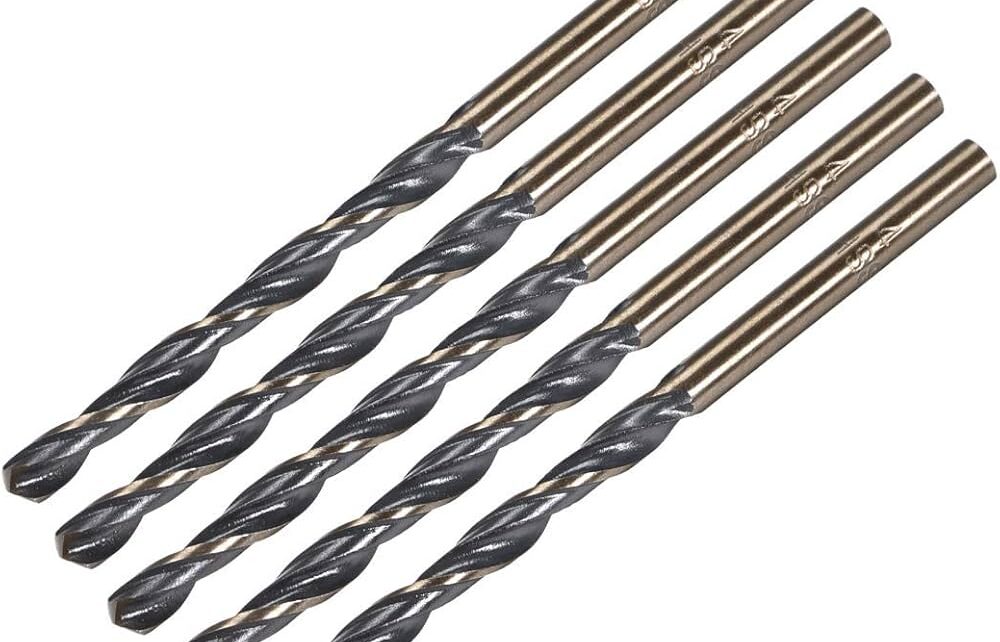
In the world of metalworking, woodworking, and precision drilling, the straight shank drill stands as one of the most widely used and versatile tools. Known for its simplicity, reliability, and adaptability, it plays a crucial role in industries ranging from manufacturing and construction to DIY projects and professional machining.
Whether you’re an engineer, machinist, or hobbyist, understanding what makes the straight shank drill unique—and how to use it effectively—can significantly enhance the accuracy and quality of your work.
What Is a Straight Shank Drill?
A straight shank drill is a cutting tool with a cylindrical shank that has the same diameter as its body or slightly smaller. The shank is the part of the drill that fits into the chuck of a drilling machine, ensuring stability and smooth rotation during operation.
Unlike tapered shank drills that require a specific type of spindle or adapter, straight shank drills can be used with a wide variety of drill chucks. This makes them one of the most versatile and convenient tools for general-purpose drilling.
The design allows the drill bit to be held securely in the chuck, reducing vibration and enabling precise drilling through various materials, including metal, plastic, and wood.
Key Features of a Straight Shank Drill
The straight shank drill is valued for its practical design and user-friendly features, which include:
- Cylindrical Shape
The straight, uniform diameter allows easy installation in a standard drill chuck without requiring special tools or fittings. - Ease of Use
It can be quickly mounted and removed, making it ideal for production environments where speed and efficiency matter. - Accurate Centering
The uniform shank ensures consistent alignment, reducing runout and promoting high-precision drilling. - Variety of Sizes and Materials
Available in a wide range of diameters and lengths, straight shank drills can be made from high-speed steel (HSS), carbide, or cobalt alloys, depending on the application. - Compatibility
Works with handheld drills, drill presses, CNC machines, and milling machines, making it suitable for both manual and automated processes.
Common Materials Used in Straight Shank Drills
The performance and durability of a drill bit depend heavily on the material from which it’s made. Common materials include:
- High-Speed Steel (HSS): Ideal for general-purpose drilling through mild steel, wood, and plastic. Offers a balance between toughness and wear resistance.
- Cobalt Steel (HSS-Co): Contains cobalt for higher heat resistance, suitable for drilling stainless steel and hard metals.
- Carbide-Tipped: Extremely hard and wear-resistant, perfect for precision drilling in hard alloys and abrasive materials.
- Solid Carbide: Used for high-speed machining and CNC applications where precision is critical.
Types of Straight Shank Drills
While the straight shank design remains consistent, the cutting geometry varies depending on the drilling task:
- Jobber-Length Drill – The most common type, offering a good balance of strength and flexibility for everyday drilling tasks.
- Stub-Length Drill – Shorter and more rigid, reducing deflection and improving accuracy in high-precision work.
- Long-Series Drill – Designed for deep-hole drilling applications, providing extended reach without sacrificing stability.
- Parabolic Flute Drill – Features deeper flutes for efficient chip evacuation, ideal for softer materials like aluminum or plastic.
- Split-Point Drill – The specially designed point reduces walking and improves self-centering, especially on curved or hard surfaces.
Applications of Straight Shank Drills
The straight shank drill is used across numerous industries and projects due to its adaptability and precision:
- Metalworking: Drilling holes in steel, aluminum, brass, and other metals for fabrication and assembly.
- Woodworking: Creating clean, precise holes in hardwood, softwood, and engineered wood products.
- Construction: Used with power drills for installing anchors, fasteners, and plumbing fixtures.
- Automotive and Aerospace: Precision drilling for engine parts, components, and structures.
- DIY and Maintenance: Suitable for home repairs, furniture making, and craft projects.
Its compatibility with both manual and power-driven machines makes it indispensable in workshops and manufacturing plants worldwide.
Advantages of Using Straight Shank Drills
- Universal Fit – Works with almost all types of drilling equipment without the need for special collets or adapters.
- Precision Drilling – Offers excellent control and alignment, ensuring round, accurate holes.
- Cost-Effective – Readily available and affordable, making it a practical choice for professionals and hobbyists alike.
- Durability – When made from high-quality materials and properly maintained, straight shank drills have a long service life.
- Ease of Replacement – Available in standardized sizes, making replacements simple and widely accessible.
Maintenance and Care Tips
To extend the lifespan of your straight shank drill and maintain performance:
- Use Correct Speed and Feed Rates: Match drilling speed to the material to prevent overheating and dulling.
- Keep It Sharp: Regularly regrind dull bits to maintain cutting efficiency.
- Lubricate During Drilling: Apply cutting oil or coolant to reduce friction and heat.
- Clean After Use: Remove debris and store in a dry place to prevent rust or corrosion.
- Check for Wear: Inspect the shank and flutes for signs of wear or damage before each use.
Innovations and Modern Use
With advancements in CNC machining and precision engineering, modern straight shank drills are now manufactured with advanced coatings such as TiN (Titanium Nitride) and TiAlN (Titanium Aluminum Nitride). These coatings increase hardness, reduce friction, and extend tool life—making them suitable for high-speed, high-precision drilling in demanding environments.
Moreover, 3D modeling and CAD/CAM systems allow machinists to optimize drill geometry for specific materials, improving chip control and accuracy.
Conclusion
The straight shank drill may appear simple, but it’s one of the most essential and reliable tools in the world of machining and construction. Its combination of precision, strength, and adaptability makes it a cornerstone of modern manufacturing processes.
From drilling metals and wood to creating fine mechanical components, this versatile tool continues to prove that even the simplest designs can deliver exceptional performance when engineered with precision and care.
Whether you’re outfitting a professional workshop or a home tool set, investing in high-quality straight shank drills ensures you’re always prepared for any drilling challenge — with accuracy, efficiency, and reliability.